
Choosing the Right Candle Scent for Each Room
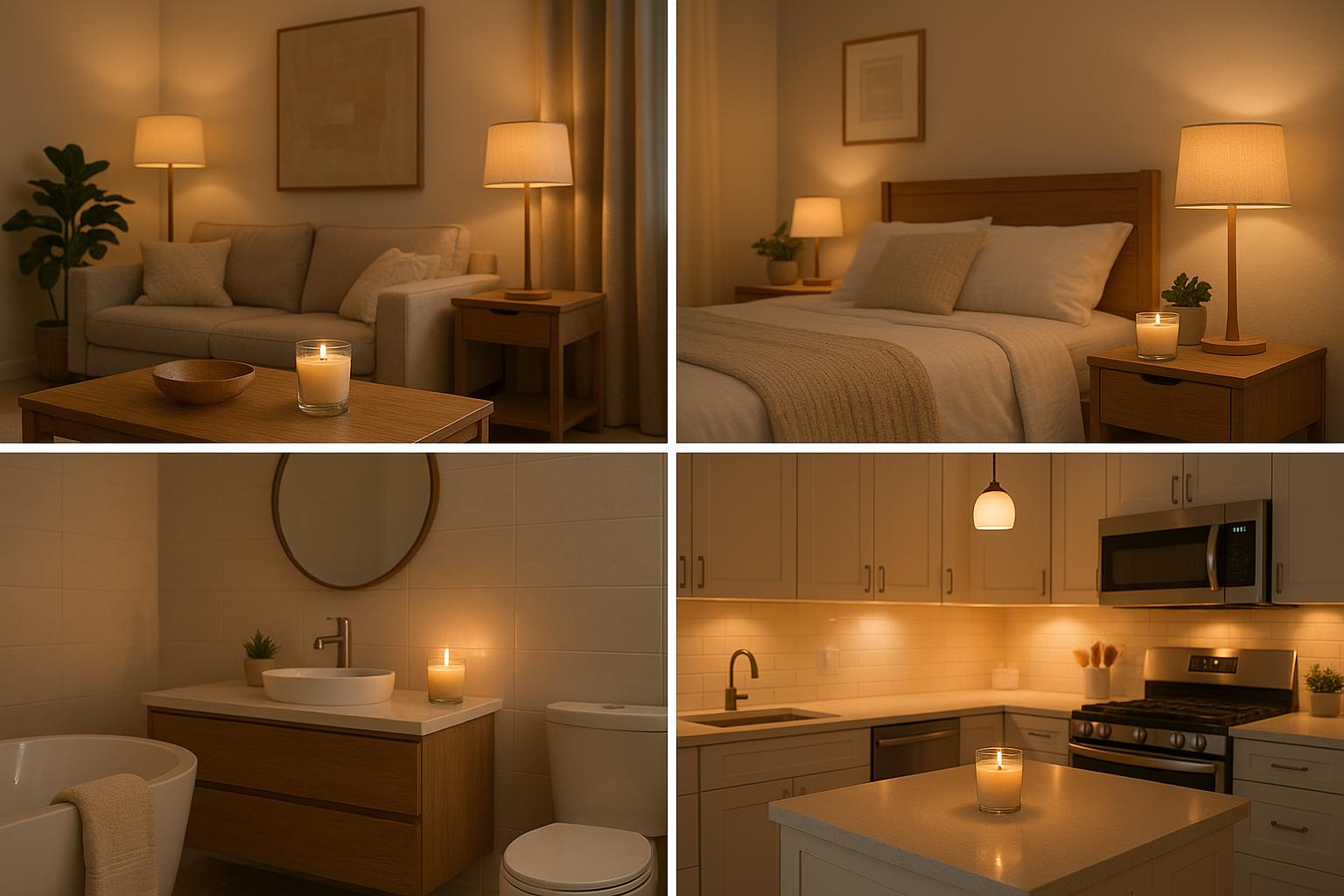
Every room in your home serves a different purpose, supports different activities, and evokes different moods. It makes perfect sense, then, that each space would benefit from its own carefully selected fragrance profile. Just as you would not use the same lighting or furniture in your bedroom and your home office, the scents you choose for different rooms should reflect and enhance each space's unique function and atmosphere. Understanding how to match fragrances to rooms transforms your home into a cohesive sensory experience where every space feels intentionally designed and perfectly suited to its purpose.
The art of scent zoning—creating distinct fragrance profiles for different areas of your home—is practiced in luxury hotels and spas worldwide because it works. When you walk from a energizing citrus-scented lobby into a lavender-infused spa treatment room, the scent transition helps your mind and body shift gears, preparing you for the experience ahead. You can create this same sophisticated effect in your own home by thoughtfully selecting candles that complement each room's purpose, creating invisible boundaries and transitions that enhance how you experience your living spaces.
The Bedroom: Sanctuary for Rest
Your bedroom should be a sanctuary dedicated to rest, relaxation, and restoration. The scents you choose for this intimate space have a direct impact on sleep quality and how effectively you can unwind at the end of each day. Avoid anything too stimulating or energizing in the bedroom—save those scents for spaces where you need to be alert and productive. Instead, focus on fragrances known for their calming, sedative, and stress-relieving properties that signal to your nervous system that it is time to rest.
Lavender has earned its reputation as the quintessential bedroom scent through both traditional use and modern scientific validation. Studies have consistently shown that lavender reduces anxiety, lowers heart rate, and improves sleep quality. The scent works on multiple levels—it is pleasant enough to enjoy consciously while also having measurable physiological effects on the nervous system. A lavender candle lit an hour before bed becomes a powerful cue that sleep time is approaching, helping to regulate your circadian rhythm and prepare your body for rest.
For those who find lavender too floral or simply want variety, bergamot and clary sage offer excellent alternatives. Bergamot has the unique quality of being both uplifting and deeply relaxing—it reduces anxiety and stress without causing drowsiness during the day, but promotes restful sleep when used in evening routines. Clary sage has natural sedative properties and is particularly helpful for people whose sleep difficulties are related to stress or hormonal fluctuations. A candle blending bergamot, clary sage, and geranium creates a sophisticated bedroom fragrance that supports deep relaxation without being overtly sleep-focused, making it suitable for bedrooms that are used for reading, relaxing, and other quiet activities in addition to sleep.
The Living Room: Welcoming and Versatile
Living rooms serve multiple purposes—they are spaces for relaxation, entertainment, family time, and often for welcoming guests. The ideal living room scent should be pleasant and appealing to a wide range of people, sophisticated without being overpowering, and versatile enough to work for both quiet evenings and social gatherings. This is where warm, comforting fragrances with broad appeal really shine, creating an atmosphere that feels both inviting and refined.
Warm wood and cashmere fragrances exemplify the perfect living room scent profile. These sophisticated blends combine the grounding, natural quality of wood notes with the soft luxury of cashmere accords, creating a fragrance that feels both cozy and elegant. Wood-based scents have universal appeal—they evoke warmth, stability, and natural beauty without being polarizing. The addition of cashmere notes adds a touch of luxury and softness that elevates the scent beyond basic woody fragrances, making it suitable for both casual family time and more formal entertaining.
English pear and vanilla offers another excellent living room option, particularly for those who prefer fruitier, sweeter fragrances. The juicy freshness of pear prevents the scent from being cloying, while vanilla adds warmth and comfort that makes any space feel more welcoming. This type of fragrance works beautifully year-round but is particularly appealing during autumn and winter when we crave that extra layer of coziness. The key with living room scents is choosing fragrances that you genuinely love and that make you feel happy and comfortable in your own space, since this is where you will likely spend significant time.
The Home Office: Focus and Clarity
With remote work becoming increasingly common, many of us now have dedicated home office spaces that need to support productivity, focus, and mental clarity. The wrong scent in a workspace can be distracting or even counterproductive, while the right fragrance can enhance concentration, reduce mental fatigue, and create clear psychological boundaries between work and home life. Your home office deserves the same thoughtful scent selection as any other room, with fragrances chosen specifically to support cognitive performance.
Eucalyptus stands out as an exceptional home office fragrance. Its crisp, penetrating scent seems to clear both physical and mental space, opening airways and sharpening focus simultaneously. Research has shown that eucalyptus can improve cognitive performance, increase alertness, and reduce mental fatigue—exactly what you need during long work sessions. The scent is refreshing without being distracting, providing a subtle background that supports concentration rather than demanding attention. An eucalyptus candle burning during work hours helps create a sensory environment optimized for productivity.
Lemongrass complements eucalyptus beautifully in workspace settings, adding a bright, citrusy dimension that energizes without overwhelming. Lemongrass has been found to reduce anxiety while simultaneously improving focus—a rare and valuable combination for anyone dealing with work stress. When blended with eucalyptus and balanced with geranium, lemongrass creates an aromatherapy profile that supports sustained mental performance throughout the workday. The key is using these energizing scents during work hours and then switching to more relaxing fragrances in the evening, using scent to help create clear boundaries between work time and personal time even when both happen in the same home.
The Bathroom: Fresh and Clean
Bathrooms present unique scent challenges and opportunities. These spaces need fragrances that feel fresh and clean while also being strong enough to effectively scent what is often a smaller, more enclosed space. Additionally, bathrooms serve dual purposes—they are functional spaces for daily hygiene routines but also potential spa-like retreats for relaxing baths and self-care rituals. The ideal bathroom scent should work for both purposes, feeling fresh and invigorating for morning routines while also supporting relaxation during evening baths.
Eucalyptus and mint-based fragrances are bathroom classics for good reason. These crisp, clean scents feel naturally suited to bathrooms, evoking the freshness of high-end spas and luxury hotels. Eucalyptus in particular has the added benefit of helping to clear sinuses and improve breathing, making morning showers feel more invigorating. The scent also has natural antimicrobial properties, contributing to the perception of cleanliness that is so important in bathroom spaces. A eucalyptus candle burning during a hot shower creates a steam-room effect, filling the space with therapeutic vapors.
For bathrooms that double as relaxation spaces, consider keeping two different candles on hand—an energizing eucalyptus or citrus blend for morning routines and a more calming lavender or bergamot candle for evening baths. This allows you to tailor the bathroom atmosphere to match your needs at different times of day. The ritual of selecting and lighting the appropriate candle becomes part of your self-care practice, helping you transition into the right mindset whether you are preparing for a busy day or unwinding from one.
The Kitchen and Dining Room: Subtle and Complementary
Scenting spaces where food is prepared and consumed requires particular care and restraint. Strong fragrances can compete with food aromas, potentially ruining carefully prepared meals or making it difficult to appreciate the natural scents of fresh ingredients. However, this does not mean kitchens and dining rooms should be fragrance-free. The key is choosing subtle, complementary scents that enhance rather than overwhelm the dining experience, and understanding when to use candles and when to let food take center stage.
For kitchens, fresh citrus and herb-based fragrances work beautifully. Lemongrass, in particular, feels naturally suited to kitchen environments with its bright, clean scent that evokes fresh ingredients and culinary preparation. Light citrus scents complement rather than compete with food aromas, and they help keep kitchen spaces smelling fresh between cooking sessions. However, it is best to extinguish scented candles before beginning serious cooking, allowing the natural aromas of your ingredients and dishes to take precedence.
In dining rooms, the approach should be even more subtle. If you want to use candles during meals, consider unscented options that provide ambiance through light alone, or very lightly scented candles in neutral fragrances that will not interfere with food. Reserve your favorite scented candles for pre-dinner atmosphere setting or post-dinner relaxation. Many people light a beautifully scented candle in an adjacent room where it creates pleasant background fragrance without overwhelming the dining experience. The goal is to enhance the overall atmosphere of gathering and sharing meals without allowing fragrance to compete with the food itself.
Entryways and Hallways: First Impressions
Your entryway creates the first impression of your home, both for guests and for yourself each time you return. This transitional space deserves a signature scent that feels welcoming and sets the tone for the rest of your home. Hallways and entryways are often overlooked in home fragrance planning, but they offer valuable opportunities to create cohesive scent experiences and smooth transitions between different rooms with different fragrance profiles.
For entryways, choose fragrances that are universally appealing and that reflect the overall aesthetic of your home. Clean, fresh scents like eucalyptus and lemongrass create an immediate impression of cleanliness and care. Warm, welcoming fragrances like vanilla-based blends make guests feel immediately comfortable. Consider what you want people to feel when they first enter your home, and choose a scent that supports that emotional response. This becomes your home's signature scent—the fragrance that people will associate with your space.
In hallways that connect different rooms, consider using neutral or transitional scents that complement the fragrances in adjacent spaces without competing with them. Alternatively, allow hallways to remain unscented, serving as palate cleansers between the distinct fragrance zones you have created in different rooms. There is no single right answer—the key is being intentional about how scents flow through your home and ensuring that the overall effect feels cohesive rather than chaotic.
Creating Your Home Fragrance Plan
Now that you understand the principles of matching scents to rooms, you can create a personalized fragrance plan for your entire home. Start by listing each room and its primary purpose. Consider what activities happen in each space and what mood you want to create. Think about who uses each room and when—a guest bedroom might need a different approach than your personal bedroom, and a playroom requires different considerations than a formal living room.
Build your candle collection gradually, starting with the rooms where you spend the most time or where fragrance will have the biggest impact. You do not need to scent every room simultaneously. Many people start with their bedroom and living room, then expand to other spaces as they discover which fragrances they love and how scent zoning enhances their home experience. Keep notes about which scents you enjoy in which spaces and how they make you feel—this helps you refine your choices over time.
Remember that your fragrance plan can and should evolve with the seasons, your changing needs, and your developing preferences. What works perfectly in winter might feel too heavy in summer. A scent that supports your needs during a stressful work period might not be what you want during a relaxed holiday. The beauty of candles is their flexibility—you can easily switch fragrances to match your current needs and desires. By approaching home fragrance thoughtfully and intentionally, matching scents to rooms and purposes, you create a living environment that supports your wellbeing, enhances your daily experiences, and makes your house feel truly like home.
Curated Scents for Every Space
Build your perfect home fragrance collection with these versatile candles from Delacy Home.


Related Articles
How to Layer Scents in Your Home
Master the art of fragrance layering to create a signature scent experience throughout your living spaces.

Best Scented Candles for Different Occasions
Match the perfect fragrance to every moment, from energizing mornings to romantic evenings and seasonal celebrations.
The Benefits of Aromatherapy Candles
Explore how aromatherapy candles can enhance your wellbeing and create a peaceful sanctuary in your home.
Kerris Lacy
Kerris is the founder of Delacy Home and a passionate candle maker specializing in handcrafted soy candles. She loves sharing her expertise on home fragrance and creating beautiful, scented spaces.